
Learning and Development (L&D) is a strategic HR function focused on improving the skills, knowledge, and performance of employees through training, educational programs, and growth opportunities. It aligns individual development goals with the organization’s business objectives to foster a culture of continuous improvement.
Why Learning and Development Matters
An effective L&D program enables organizations to:
- Adapt to industry changes and technological advancements
- Improve employee performance and productivity
- Increase employee engagement and job satisfaction
- Support internal mobility and succession planning
- Reduce turnover and attract top talent
- Build leadership and critical soft skills across teams
Key Components of L&D
- Training Programs: Structured sessions aimed at teaching specific skills or processes (e.g., compliance training, software use, customer service techniques).
- Upskilling & Reskilling: Upskilling enhances existing skills; reskilling teaches new skills for different roles, particularly important in times of change or restructuring.
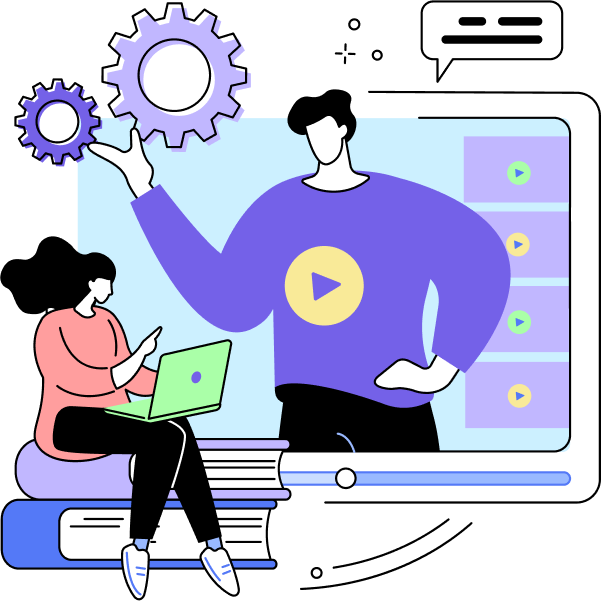
- E-Learning: Online modules or courses that offer flexible, self-paced training opportunities.
- Workshops & Seminars: Interactive learning formats for collaborative problem-solving and team-based skill development.
- Mentorship & Coaching: One-on-one guidance from experienced colleagues or professional coaches to support career growth.
- Certifications & Courses: Formal learning recognized by third-party institutions that enhances credibility and expertise.
- On-the-Job Training (OJT): Practical, real-time learning through direct experience under supervision.
- Leadership Development: Targeted training for potential or current managers to improve their people management and strategic thinking.
Benefits of L&D for Organizations
- Higher Employee Retention: Employees who are learning and growing are more likely to stay.
- Stronger Performance: Trained employees are more efficient and effective in their roles.
- Competitive Advantage: A skilled workforce is better equipped to innovate and outperform competitors.
- Future-Proofing the Business: Ongoing development helps organizations remain agile in evolving markets.
Benefits of L&D for Employees
- Career Advancement: Employees gain skills and knowledge that help them grow professionally.
- Increased Confidence: Competence through training leads to higher job satisfaction.
- Better Adaptability: Continuous learning prepares employees to handle change and new challenges.
- Greater Engagement: Employees feel more connected to their work when their growth is supported.
How to Build an Effective L&D Program
- Assess Skill Gaps: Conduct a skills gap analysis to determine current and future learning needs.
- Align with Business Goals: Ensure learning initiatives contribute directly to organizational objectives.
- Offer Diverse Learning Formats: Use a mix of in-person, online, and experiential learning to cater to different learning styles.
- Track Progress: Use KPIs such as training completion rates, post-training assessments, and performance improvements.
- Gather Feedback: Regularly collect input from participants to refine and improve programs.
- Leverage Technology: Invest in a Learning Management System (LMS) to manage and deliver content efficiently.
- Promote a Learning Culture: Encourage curiosity, knowledge sharing, and peer learning across the organization.
Common L&D Metrics
- Training completion rates
- Learner satisfaction scores
- Pre-and post-training assessments
- Time to proficiency
- Employee promotion rates
- ROI on learning programs
- Skills gained vs. skills required
Trends in Learning and Development
- Personalized Learning Paths
- Microlearning and Bite-sized Content
- Mobile Learning & Anytime Access
- Gamification for Engagement
- AI-Powered Learning Recommendations
- Focus on Soft Skills (e.g., communication, emotional intelligence)
Conclusion
Learning and Development is no longer a “nice-to-have” but a critical strategy for organizational growth. Companies that invest in L&D empower their workforce, build internal capabilities, and prepare for future challenges. When done right, L&D becomes a powerful driver of innovation, retention, and long-term success.