


Highlights
- A leave of absence allows employees to take time off while maintaining their job roles, tracked using HR software.
- Key policy elements include types of leave, eligibility, request procedures, compensation, and clear communication to employees.
- Leaves can be mandatory, required by law, or voluntary, taken at the employee's discretion to support wellbeing or education.
- The FMLA allows eligible U.S. workers to take up to 12 weeks off work without pay while maintaining their jobs for family or medical reasons.
- Proper documentation, professional requests, and tools like the Paismo platform ensure smooth leave management and approvals.
Many employees may need time away from work for personal, medical, or family reasons. A leave of absence helps manage this extended time off while keeping job roles clear. In many workplaces, HR software in UAE and HRIS software are used to track leave requests, approvals, and records properly. However, rules and policies can still feel confusing without the right guidance.

In this blog, we will cover leave of absence meaning, what to include in a policy, different types of leave, whether it falls under FMLA, and how to write a proper leave of absence request letter, so you know what to expect before applying.
What does Leave of Absence Mean?
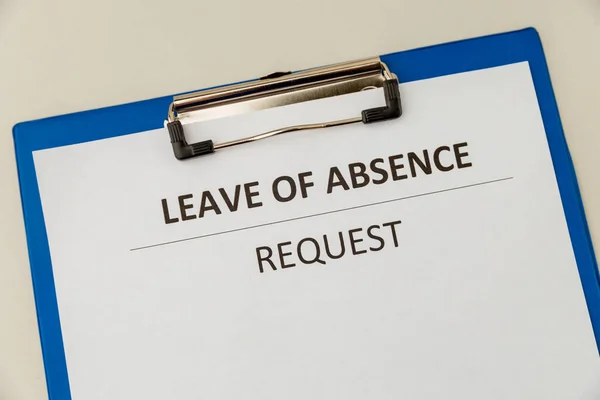
A leave of absence meaning refers to a period when an employee is allowed to be away from work while keeping their employment status. These leaves are usually granted for specific reasons outlined in company policies or employment contracts, such as illness, family emergencies, military service, or continuing education. Some types of leave are also required by law, depending on the country or state, including FMLA, jury duty, or military service.
In addition, employers may offer a leave of absence to valuable employees for special opportunities, such as attending graduate school, gaining industry expertise, or taking a sabbatical. Following proper HR processes ensures that all leave requests are handled smoothly, approvals are recorded correctly, and both employees and the organization experience minimal disruption.
What to Include in a Leave of Absence Policy?
Building a well-designed leave of absence policy, utilizing tools like the Paismo platform, requires careful thought and planning. Here are some key elements to consider when developing this type of policy:
- Research your legal compliance and requirements to ensure the policy follows labor laws and regulations.
- Determine the types of leave to be covered by the policy, such as medical, family emergencies, or educational leave.
- Determine the eligibility criteria, including the duration of service, valid reasons for leave, and necessary documentation.
- Structure request and approval procedures, including submission timelines and responsible managers.
- Establish leave compensation, specifying whether the leave is paid or unpaid and how benefits are handled.
- Clearly communicate the policy to employees and confirm that everyone understands the rules.
- Review and update the policy regularly to keep it current and effective.
Types of Leave of Absence
There are two major types of leave of absence: mandatory and voluntary, defined by whether the leave is required by law or taken at the employee’s discretion. Proper management of these leaves often relies on clear workflows to ensure smooth approvals and tracking.
Mandatory Leave
This leave is governed by federal, state, or local laws, such as the Family and Medical Leave Act (FMLA) or the Americans with Disabilities Act (ADA). It is typically not requested voluntarily by employees. Examples include maternity or parental leave under FMLA, military service, jury duty, and other legally required absences.
Voluntary Leave
This type of leave, also called voluntary time off, is taken at the employee’s choice, typically with the employer's approval. Examples include medical treatments, mental health leave, bereavement leave, educational opportunities, or sabbaticals. While not legally required, voluntary leave can improve employee well-being, work-life balance, and career development.
What is the Family and Medical Leave Act (FMLA)?

The Family and Medical Leave Act (FMLA) is a federal law in the US that allows eligible workers to take up to 12 work weeks of unpaid, job-protected leave within 12 months for specific family and medical reasons. Proper planning and expert leave management ensure that both employees and employers handle FMLA leave smoothly.
Some key points about FMLA include:
- It applies to private-sector employers with 50 or more employees.
- Employees are eligible if they have worked with the company for at least 12 months and have completed 1,250 hours of work in the previous 12 months.
- The 12 weeks of work can be taken all at once or intermittently when medically necessary.
- Employees are entitled to return to the same or an equivalent job after their leave.
- FMLA leave is unpaid; however, employees may use accrued paid leave, if available, or as required by their employer.
- Leave can be used for childbirth, adoption, caring for a family member with a serious health condition, or for the employee’s own medical emergency.
Example Leave of Absence Request Letter
When requesting a leave of absence, proper documentation is important to ensure clarity and approval. Effective leave management using the Paismo platform helps both employees and employers track and process these requests smoothly. While the Family and Medical Leave Act (FMLA) has specific forms, for non-FMLA leave, here are a couple of example letters you can use as a guide. Please note these are examples and should be adapted to your situation.
Medical Leave of Absence
Aug. 8, 20XX
Roberto Diaz
ABC Company, Inc.
1234 E. Main St.
San Diego, CA 92101
Dear Mr. Diaz,
I am writing to request a one-month medical leave of absence beginning Monday, Sept. 10, and ending Wednesday, Oct. 10. I will be having surgery, and my surgeon has recommended a minimum three-week recovery period (see attached doctor’s note).
I am happy to assist in preparing for my leave, including training colleagues on upcoming projects. Thank you for your understanding.
Sincerely,
Dave Smith
Personal Leave of Absence
Feb. 1, 20XX
Deborah Jones
ABC Company, Inc.
1234 E. Main St.
San Diego, CA 92101
Dear Ms. Jones,
I am submitting this request for a leave of absence to attend to important personal matters, which will begin next month. I would like to take my leave starting March 15 and return on April 3, 20XX.
I am available intermittently by phone or email to answer questions and ensure a smooth transition before my leave begins. Thank you for your consideration.
Sincerely,
Johanna Jansen
Being professional and timely when submitting a leave request ensures your employer understands your need for time off and increases the chances of approval.
Summary
A leave of absence allows employees to take time off for personal, medical, or family reasons while keeping their jobs protected. Policies should cover eligibility, types of leave, approval processes, and compensation. Leaves can be mandatory or voluntary. FMLA provides up to 12 weeks of unpaid, job-protected leave. Proper documentation and tools, such as the Paismo platform, ensure smooth leave management.
FAQs
How To Request A Leave Of Absence?
To request a leave of absence, submit a formal letter or form to your manager. Include your leave dates, reason, and any supporting documents. Ensure you follow your company’s policy to obtain approval.
Is Leave Of Absence Paid?
Whether a leave of absence is paid or unpaid depends on the company policy and the type of leave. Some leaves, such as vacation or sick leave, may be paid, while others, like personal leave, are typically unpaid.
What Is A Good Reason For Leave Of Absence?
Good reasons include personal or family illness, medical procedures, maternity or paternity needs, education, or emergencies. Ensure your reason aligns with company guidelines and is communicated clearly and effectively.
Become a part of the Paismo community
Paismo is an HR software that can help simplify your HR operations. In today's dynamic economic environment, efficient HR and automated payroll management are no longer a luxury but a necessity. Paismo is a comprehensive solution that transforms traditional HR complexes into streamlined and automated workflows. Paismo and its paired biometric device integration can be used for your business to mark employee attendance and record their timesheets accurately.
Paismo simplifies your tasks with its core HRMS, timesheets, and attendance management, as well as biometric attendance, payroll automation, and leave management system.
Take the first step toward modernizing your HR and payroll processes and explore what Paismo can do for you. Book a demo with our sales team.