


Highlights
- Payroll deductions reduce gross pay for taxes, benefits, and other required or voluntary contributions.
- Deductions can be mandatory, voluntary, or court-ordered, each with specific rules and calculations.
- Tools like Paismo and payroll calculators help ensure accurate, compliant, and error-free payroll management.
- Mandatory deductions include federal, state, Social Security, Medicare, and court-ordered payments. Voluntary cover insurance and retirement.
- Managing UAE payroll deductions is challenging due to geographic differences, compliance rules, and frequent regulatory changes.
Payroll deductions are amounts taken from an employee’s pay for taxes, benefits, and other agreed deductions. Knowing how they work helps prevent mistakes and keeps payroll clear for everyone. Accurate records also reduce disputes and save time. Many businesses rely on HR software in UAE to handle deductions correctly and keep data organized. Likewise, trusted payroll software helps ensure salaries are processed on time and without errors.

In this blog, we will discuss how payroll deductions work, how to calculate them, and the key challenges of managing payroll deductions.
What Are Payroll Deductions?
Payroll deductions are amounts taken from an employee’s gross pay for specific purposes, such as taxes, benefits, or required payments. For example, when part of a salary is set aside for health coverage or legal obligations, the remaining amount becomes the employee’s take-home pay.

These deductions can be voluntary, such as savings plans, or compulsory, like tax withholdings. Therefore, having clear payroll processes ensures that these deductions are applied correctly and that pay records remain precise and transparent.
How Do Payroll Deductions Work?
Payroll deductions are amounts taken from an employee’s gross pay for taxes, benefits, and other obligations. Payroll management ensures these deductions are calculated correctly and appropriately recorded. Employers need to know the employee’s gross salary and any voluntary participation in benefits or retirement plans. For tax-related deductions, they use the Form W-4, which provides information about dependents and other factors affecting withholding.
Key steps include:
- Calculating mandatory withholdings such as income tax, Social Security, and Medicare.
- Applying voluntary deductions for benefits, retirement contributions, or other employee-selected programs.
- Following court or agency orders for wage garnishments.
- Considering different state or local rules for withholding where applicable.
Types of Payroll Deductions
Payroll deductions in the UAE are categorized into mandatory, voluntary, and garnishments. Managing these tasks can be complex, but using Paismo for automated payroll makes the process simple, accurate, and efficient for businesses of all sizes.
To understand them clearly, here are the main types of payroll deductions explained:
Mandatory Deductions
These are required by law and must be withheld by employers. They include federal, state, and local taxes, as well as Social Security, Medicare, and sometimes contributions to state disability or unemployment programs.
Voluntary Deductions
Employees can choose these deductions to cover benefits or savings plans. Common examples include life insurance, retirement contributions, health savings accounts, and flexible spending accounts.
Garnishments
Courts or government agencies mandate these deductions. They include child support, student loans, credit card payments, or unpaid taxes.
For streamlined payroll management in your business, utilizing tools like Paismo helps calculate, record, and track all deductions in one place, ensuring accuracy and compliance.
How to Calculate Payroll Deductions?
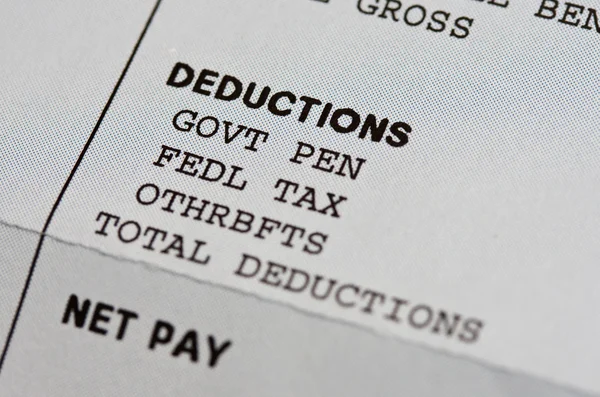
Calculating payroll deductions involves converting an employee’s gross pay into net pay. The process can vary by country or state, but using payroll deductions calculators makes it easier and ensures accuracy.
Key steps include:
- Adjust Gross Pay by subtracting pre-tax contributions, such as retirement plans, flexible spending accounts, or health savings accounts.
- Calculate Federal Income Tax using IRS tables and the employee’s Form W-4 to determine the correct withholding.
- Withhold Social Security and Medicare Taxes, including Additional Medicare tax for high earners.
- Apply State Income Taxes according to local laws and regulations.
- Subtract Post-Tax Deductions such as garnishments, Roth IRA contributions, child support, and other required deductions to determine net pay.
These steps help employers ensure payroll is calculated accurately and in compliance with all regulations.
Which Payroll Deductions Are Mandatory?
Employers are legally required to withhold certain payroll deductions before issuing an employee’s paycheck. These mandatory deductions include:
- Federal Income Tax: Applied to salaries, bonuses, tips, cash gifts, gambling income, and unemployment benefits. All U.S. employees must pay federal income tax unless they qualify for an exemption due to low income.
- State and Local Income Tax: Deducted based on the state where the employee earns their income, not the employer’s location. As of 2024, the following states do not require income tax deductions: Alaska, Florida, Nevada, South Dakota, Tennessee, Texas, and Wyoming.
- State Unemployment Insurance: Applicable only to employees earning wages in certain states, such as Alaska, New Jersey, and Pennsylvania.
- Court-Ordered Garnishments and Payments: Employers must withhold wages for certain legal obligations, including delinquent child support, unpaid federal or state taxes, defaulted student loans, alimony, and other monetary fines. Employers cannot terminate employees solely because of garnishments.
- Social Security and Medicare: The Social Security tax is 6.2% of earnings, and the Medicare tax is 1.45%, both withheld from employee wages.
Which Payroll Deductions Are Voluntary?
Voluntary payroll deductions are not required by law but are often offered to support employees or benefit the employer. These may include:
- Health, life, and disability insurance payments
- Union dues
- Retirement or 401(k) contributions (Roth 401(k) contributions are post-tax)
- Flexible Spending Account (pre-tax) or Health Savings Account contributions
These deductions allow employees to save, manage benefits, and cover additional expenses, thereby reducing taxable income in some cases.
Challenges of Managing Payroll Deductions
Managing UAE payroll deductions can be complex and prone to errors, which can lead to compliance fines, audits, and reduced employee trust. Accurate payroll is essential to maintain the agreement between employers and employees, and mistakes can damage this trust.
Key challenges include:
- Geographic Variables: Companies operating across multiple jurisdictions must calculate, withhold, and remit taxes correctly according to local rules.
- Proper Compliance: Staying within contribution limits, following remittance laws, and maintaining accurate records for the required period is demanding.
- Tracking Changes: Government laws and regulations on payroll deductions change frequently. Without payroll software or specialists to apply updates automatically, it’s easy to miss significant changes.
Addressing these challenges effectively requires reliable tools and processes to ensure accurate, compliant payroll management.
Summary
Payroll deductions are amounts subtracted from an employee’s gross pay for taxes, benefits, and other contributions. These deductions can be mandatory, voluntary, or court-ordered, each with specific rules and requirements. Therefore, accurate payroll management using tools like Paismo ensures compliance, error-free calculations, and timely payments. However, managing UAE payroll deductions can be challenging due to regulations, geographic differences, and frequent updates.
FAQs
What Is Payroll Deduction?
A payroll deduction is an amount withheld from an employee’s salary for taxes, benefits, or other contributions. It reduces the take-home pay while ensuring legal and benefit obligations are met.
How Do Payroll Deductions Work?
Payroll deductions work by subtracting required or voluntary amounts from an employee’s gross pay. This ensures net pay is accurate and compliance with tax and benefit rules is maintained.
How to Calculate Payroll Deductions?
Calculating payroll deductions involves adjusting gross pay for pre-tax contributions, applying federal and state taxes, withholding Social Security and Medicare, and subtracting post-tax deductions like garnishments or retirement contributions.
Become a part of the Paismo community
Paismo is an HR software that can help simplify your HR operations. In today's dynamic economic environment, efficient HR and automated payroll management are no longer a luxury but a necessity. Paismo is a comprehensive solution that transforms traditional HR complexes into streamlined and automated workflows. Paismo and its paired biometric device integration can be used for your business to mark employee attendance and record their timesheets accurately.
Paismo simplifies your tasks with its core HRMS, timesheets, and attendance management, as well as biometric attendance, payroll automation, and leave management system.

Take the first step toward modernizing your HR and payroll processes and explore what Paismo can do for you. Book a demo with our sales team.