


Key Highlights
- Performance reviews evolved as companies like GE shifted focus from short-term results to long-term growth and employee impact.
- GE’s business turnaround in the early 2000s highlighted the need for more strategic, growth-driven performance reviews.
- This shift led to the development of the 360-degree performance review, incorporating feedback from multiple stakeholders.
- Today, 360-degree performance reviews are widely adopted as a holistic approach to improving performance and organizational success.
In the early 2000s, General Electric (GE), a leading American multinational conglomerate, faced a sharp decline in profits along with stagnant stock performance. To reverse this trend, the company reimagined its performance reviews to focus on employees’ ability to contribute to long-term growth. This shift marked a turning point for GE. Over time, an evolved version of its evaluation framework became widely adopted and is now known as the 360-degree performance review.
The impact of 360-degree performance reviews on organizational growth cannot be overstated. When internal morale is low or employee development begins to stagnate, introducing a 360-degree performance review can help identify gaps and unlock progress.

But what exactly is a 360-degree performance review?
A performance review is a structured feedback method used to assess the relationship between leaders and employees. For HR professionals aiming to improve productivity, engagement, and workplace satisfaction, understanding this approach to performance reviews is essential.
What Is a 360-Degree Performance Review?
A 360-degree performance review is a comprehensive evaluation method that provides a well-rounded view of employee performance. The term “360-degree” refers to collecting feedback from multiple sources within, and sometimes outside, the organization, including managers, peers, direct reports, and even customers.
The purpose of gathering insights from diverse perspectives is simple: it helps uncover blind spots in performance and supports more balanced employee development.
This type of performance review benefits both individual contributors and leaders. As Lynda Silsbee noted in Forbes, a 360-degree review offers “a panoramic view of leadership insights,” much like a full diagnostic scan of a leader’s impact from every angle.
Traditionally, performance reviews capture feedback from employees about leadership effectiveness. From a leadership perspective, however, these reviews enable better-informed decisions, clearer direction, and stronger team outcomes.
Why Are Performance Reviews Important?
Below are key reasons why performance reviews are essential for modern organizations:
Improve Decision-Making
One of the primary goals of performance reviews is to strengthen decision-making across the organization. By encouraging open discussions about outcomes, challenges, and reasoning, employee performance reviews help individuals refine their judgment. Constructive feedback enables employees to think more critically, leading to smarter decisions company-wide.
Drive Organizational Alignment
Performance reviews also play a critical role in aligning employees with company goals. During the review process, HR teams can reinforce organizational vision and tailor questions around key performance indicators (KPIs). The feedback collected helps ensure everyone is moving in the same strategic direction.
Strengthen Communication
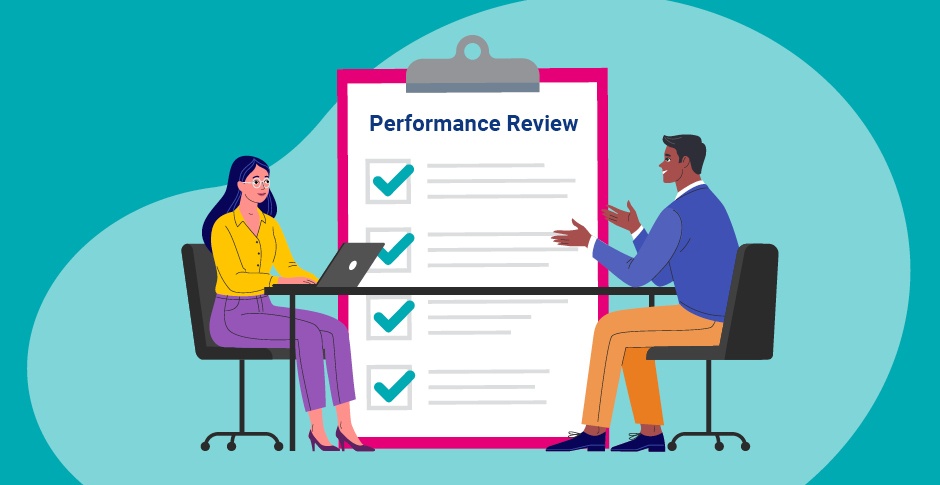
Performance reviews create a structured environment for transparent and meaningful conversations between managers and employees. Discussing challenges, achievements, and future goals enhances collaboration, improves teamwork, and positively impacts overall organizational performance.
Retain Top Talent
An often-overlooked benefit of performance reviews is their role in talent retention. When employees are encouraged to share achievements and receive recognition, morale improves. Regular feedback demonstrates appreciation and reinforces employees’ commitment to the organization.
Enable Fair Compensation and Rewards
Performance reviews allow companies to align compensation and rewards with individual contributions. This ensures fairness, motivates high performance, and maintains balance across teams.
Top Performance Review Questions You Should Ask
Asking the right questions during performance reviews can significantly improve engagement and outcomes. Here are some of the most effective ones:
What Accomplishments From This Quarter Are You Most Proud Of?
This question allows employees to highlight key achievements and share what motivates them. Their responses may also uncover insights into process improvements or innovative solutions that enhance performance.
How Do You Prefer to Receive Feedback and Recognition?
Understanding how employees like to receive feedback helps HR and managers communicate more effectively. Some may value detailed technical feedback, while others may prefer public recognition or one-on-one discussions.
Which Goals Did You Achieve, and Which Did You Fall Short On?
This reflective question encourages accountability and growth. By evaluating both successes and setbacks, employees learn from experience and improve future performance.
How Can I Improve Your Job Satisfaction?
This question signals genuine care for employee well-being. Insights gained can guide improvements such as better tools, professional development opportunities, or a more collaborative work environment.
In What Ways Can I Better Support You in Achieving Your Goals?
This helps managers identify gaps in support, whether through training, access to resources, or cross-functional collaboration. The objective is to remove obstacles and enable success.
How Well Do You Manage Multiple Projects?
This question assesses time management, prioritization, and productivity skills. It can also highlight the need for project management support or additional training.
What Are Your Strengths, and How Have You Used Them at Work?
By discussing strengths during performance reviews, managers can better align employee capabilities with business goals. This boosts confidence, engagement, and overall performance.
Additional Questions You Can Ask During Performance Reviews
To gain deeper insight during performance reviews, consider asking questions that assess risk-taking, adaptability, leadership, and long-term impact:
- What is the most significant risk you’ve taken recently, and what was the result?
- How do you navigate ambiguity or uncertain situations at work?
- What is your approach to experimentation, and how do you learn from failure?
- How do you prioritize and manage competing tasks and responsibilities?
- How would you assess your level of self-awareness, particularly your strengths and areas for improvement?
- How effective are you at building and maintaining external relationships or partnerships?
- What is your approach to promoting diversity, equity, and inclusion in the workplace?
- How do you typically handle and resolve conflicts with colleagues or stakeholders?
- How would you describe your level of creativity and innovation in your role?
- How do you support the growth and development of your team members?
- What is your approach to data-driven decision-making and analytics?
- How effectively can you communicate complex or technical ideas to non-technical stakeholders?
- How accountable do you feel for your work and the outcomes you deliver?
How to Craft Effective Performance Review Questions
The primary objective of well-designed performance review questions is not only to track employee achievements but also to uncover challenges, strengths, and opportunities for growth.
Strong performance reviews are guided by clear intent. Before drafting your questions, define your goals and the outcomes you want to achieve. As an HR professional, outlining company objectives or identifying improvement areas can help you frame more meaningful and targeted performance review questions.
It’s important to avoid confrontational or accusatory language during performance reviews. Questions such as “What’s going wrong with your project timeline?” may come across as critical and trigger defensiveness. Instead, phrase questions constructively to encourage openness, reflection, and honest dialogue.
For best results, group your performance review questions into categories such as overall performance, organizational insights, future goals, and development areas. This structured approach makes performance reviews more balanced, productive, and actionable.
Become a part of the Paismo community
Paismo is an HR software that can help simplify your HR operations. In today's dynamic economic environment, efficient HR and automated payroll management are no longer a luxury but a necessity. Paismo is a comprehensive solution that transforms traditional HR complexes into streamlined and automated workflows. Paismo and its paired biometric device integration can be used for your business to mark employee attendance and record their timesheets accurately.
Paismo simplifies your tasks with its core HRMS, timesheets, and attendance management, as well as biometric attendance, payroll automation, and leave management system.
Take the first step toward modernizing your HR and payroll processes and explore what Paismo can do for you. Book a demo with our sales team.