


Highlights
- Growing companies need the right HR system to efficiently manage both hiring and employee data.
- An HRIS tracks employee information, payroll, benefits, and performance over time.
- An ATS automates recruiting, job postings, resume screening, and candidate management.
- Choosing the right system depends on company size, growth stage, and HR priorities.
- Common mistakes include buying software too early, overpaying, failing to account for scalability, and poor team training.
As companies grow, simple tools like spreadsheets start to fall short. At that point, choosing the right system becomes more important than ever. Many teams feel unsure when comparing HRIS vs ATS, especially when hiring and HR tasks begin to overlap. For businesses using HR software in UAE, the decision can feel even more complex due to local requirements. This is where the right HRIS or ATS can support steady growth.

In this article, you will learn about HRIS and ATS, what the difference is between them, the pros and cons, how to choose the right system for your company, and the most common mistakes.
What Is HRIS?

A human resources information system (HRIS) is software that helps businesses track employee data throughout an employee’s time at your company, from hire date through termination. Some HRIS programs include recruitment and onboarding features, but most companies use them to store employee information, manage vacation requests, upload annual evaluations, generate reports, and process payroll and benefits. By organizing all HR data in one place, an HRIS also supports smarter hiring decisions, helping businesses streamline recruitment while managing their workforce efficiently.
What Is an ATS?
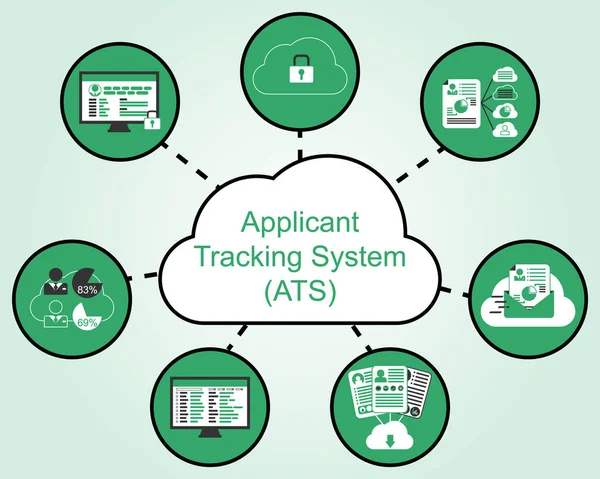
An applicant tracking system (ATS) is software that manages the entire recruitment and hiring process. It can post job openings, analyze resumes, highlight top candidates, conduct interviews, and collect feedback all in one place. Many businesses, including nearly all Fortune 500 companies use an ATS to streamline hiring. By automating repetitive tasks, an ATS helps HR teams focus on finding the best talent while keeping the process organized and efficient.
What Is the Difference Between an HRIS and an ATS?
ATS and HRIS systems are used at different stages of the employee lifecycle, and understanding this difference can help growing companies choose the right solution. An ATS manages the recruiting and hiring phase, while an HRIS tracks employee details over time after a candidate is hired. Another distinction is who uses them: external candidates and HR teams interact with the ATS, whereas the HRIS is fully managed in-house, which affects costs, data security, and workflows.
For companies seeking simplicity, Paismo offers both an HRIS and an ATS in a single platform, enabling businesses to manage hiring and HR processes seamlessly without switching systems.
Here’s a clear comparison of their key differences:
| Feature | HRIS | ATS |
| Purpose | Manages employee data, payroll, and benefits | Manages recruiting and hiring |
| When Used | After hiring | During recruitment |
| Users | HR teams | HR teams and candidates |
| Focus | Employee records and reporting | Job postings and candidate tracking |
What Are the Pros and Cons of Using an HRIS or ATS?
Before choosing an ATS or HRIS, it’s important to understand the benefits and drawbacks of each system. Platforms like Paismo combine HRIS and ATS tools in one interface, helping companies manage both hiring and HR tasks more efficiently.
Applicant Tracking Systems (ATS)
Pros
- Saves money on hiring: Subscriptions usually cost between $60 and $400 per month, often cheaper than hiring extra HR staff.
- Reduces time-to-hire: ATS automates tasks such as resume screening and interview scheduling, speeding up the recruitment process.
- Finds quality candidates: Filters applications based on skills, experience, and keywords for a more objective approach.
Cons
- Can be costly for tiny teams: If you’re hiring only a few employees, manual hiring may be cheaper.
- May miss qualified candidates: Automatic filters can exclude strong candidates due to keyword mismatches.
Human Resource Information Systems (HRIS)
Pros
- Saves time and money: Automation and analytics reduce HR workload.
- Multi-functional: Many HRIS programs include payroll, benefits, employee data, and sometimes even ATS features.
- Customizable: Choose from off-the-shelf options or fully customized systems tailored to your company’s needs.
Cons
- Upfront and ongoing costs: Setup, subscriptions, training, and updates require budgeting.
- Data security risks: Built-in protections exist, but no system is entirely immune to breaches.
How to Choose the Right System for Your Company?

Choosing between an HRIS and an ATS depends on your company’s size, hiring needs, and HR goals. Start by evaluating which processes need the most support. If your main challenge is recruitment, an ATS can help automate job postings, screen candidates, and manage interviews efficiently. If managing employee data, payroll, and benefits is your priority, an HRIS is the better choice. For businesses seeking an all-in-one solution, Paismo offers both HRIS and ATS features in a single platform.
Other important factors to consider include:
- Company size and growth stage: Smaller teams may need fewer features, while growing businesses require scalable solutions.
- Integration with existing tools: Ensure the system works well with payroll, communication, and productivity software.
- Budget and ROI: Balance the system's cost with the time and resources it will save your HR team.
- Ease of use: The system should be simple for HR staff, managers, and employees to use effectively.
By carefully assessing your company’s needs and priorities, you can choose a system that fits today and supports future growth.
What Are the Most Common Mistakes Growing Companies Make?
Growing companies, including both small businesses and enterprises, often face challenges when implementing HR systems.
Common mistakes include:
- Choosing software too early, before understanding real needs
- Overpaying for unnecessary features
- Ignoring future scalability and growth requirements
- Failing to train the team properly on new systems
- Not integrating the system with existing tools
- Underestimating the time and effort needed to manage HR processes
Being aware of these mistakes can help businesses make more intelligent decisions when managing hiring and HR processes.
Summary
Growing companies need the right system to manage both hiring and HR processes efficiently. HRIS vs ATS helps businesses understand which tool fits their needs. An HRIS tracks employee data, payroll, benefits, and performance, while an ATS automates recruitment, resume screening, and candidate management. Choosing the right system depends on company size, growth stage, and HR priorities. Understanding the pros and cons, and avoiding common mistakes such as buying software too early or ignoring scalability, helps businesses make smarter decisions and support growth.
FAQ
What is an ATS?
An Applicant Tracking System (ATS) is software designed to manage the recruitment and hiring process. It helps businesses post job openings, screen resumes, track candidates, schedule interviews, and collect feedback. ATS tools automate repetitive tasks, speeding up and improving efficiency for HR teams and hiring managers.
What is an HRIS?
A Human Resource Information System (HRIS) is software that manages employee data throughout their lifecycle. It tracks payroll, benefits, performance, leave requests, and other HR processes. HRIS systems help companies organize employee information, automate HR tasks, and improve overall workforce management.
Become a part of the Paismo community
Paismo is an HR software that can help simplify your HR operations. In today's dynamic economic environment, efficient HR and automated payroll management are no longer a luxury but a necessity. Paismo is a comprehensive solution that transforms traditional HR complexes into streamlined and automated workflows. Paismo and its paired biometric device integration can be used for your business to mark employee attendance and record their timesheets accurately.
Paismo simplifies your tasks with its core HRMS, timesheets, and attendance management, as well as biometric attendance, payroll automation, and leave management system.
Take the first step toward modernizing your HR and payroll processes and explore what Paismo can do for you. Book a demo with our sales team.